Thiên Kim
A virtual-character project built as a repeatable visual production system: lock the identity, direct the styling, plan the shot, route image-to-video work and reject outputs that break continuity.
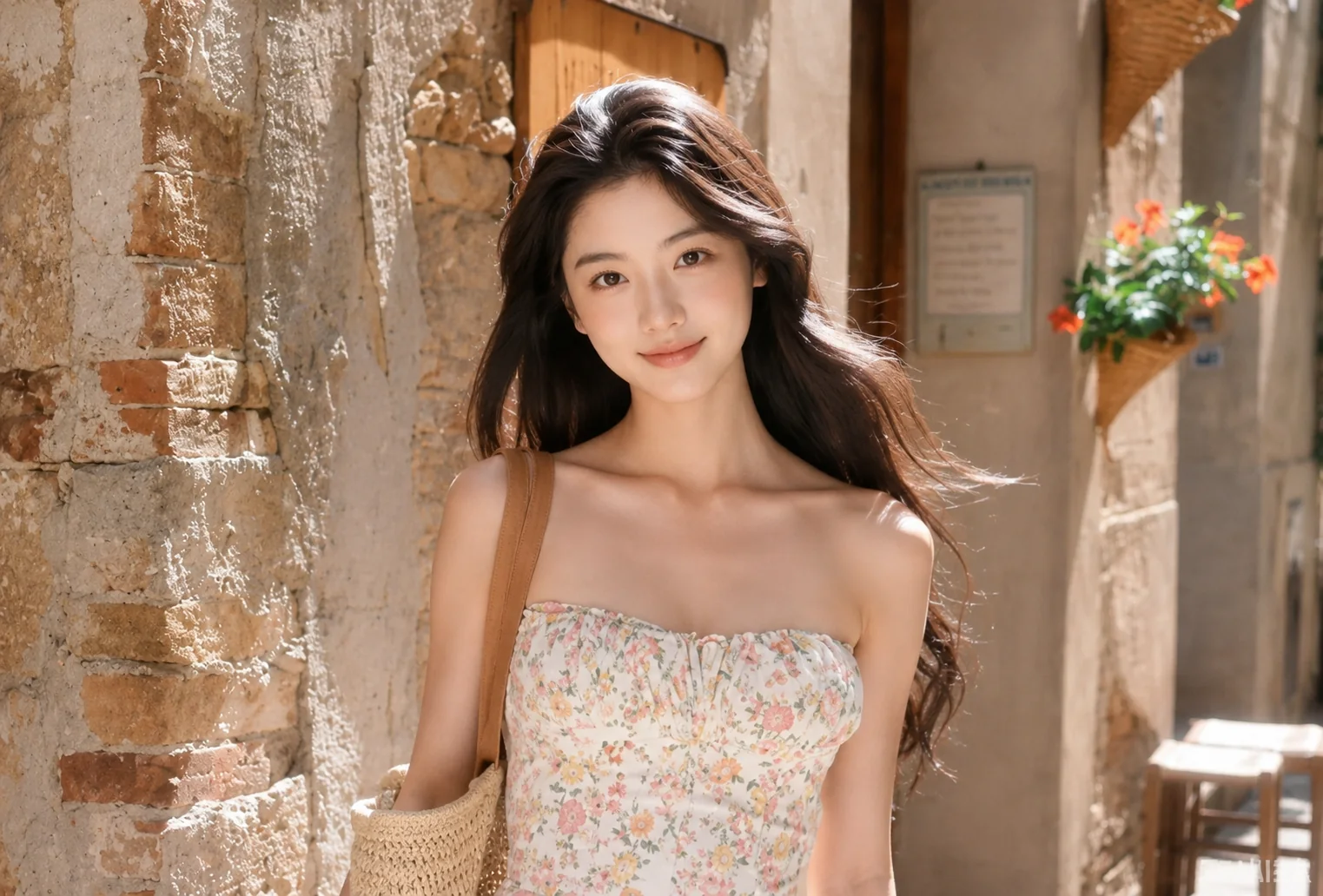
A good generated frame is not a repeatable character.
One recognizable identity has to survive changes in outfit, hair, environment, framing and motion. The design problem is deciding what stays locked, what can vary and when an output should be rejected.
Art direction, shot planning and production-system design.
I define identity anchors, styling direction, shot logic, prompt/reference strategy, production routing and review criteria, then apply those rules to repeatable image and short-form video outputs.
One identity, deliberately different looks.
Eight selected outputs span casual streetwear, feminine styling, costume, interior and outdoor scenes while keeping the same character identity readable across styling changes.
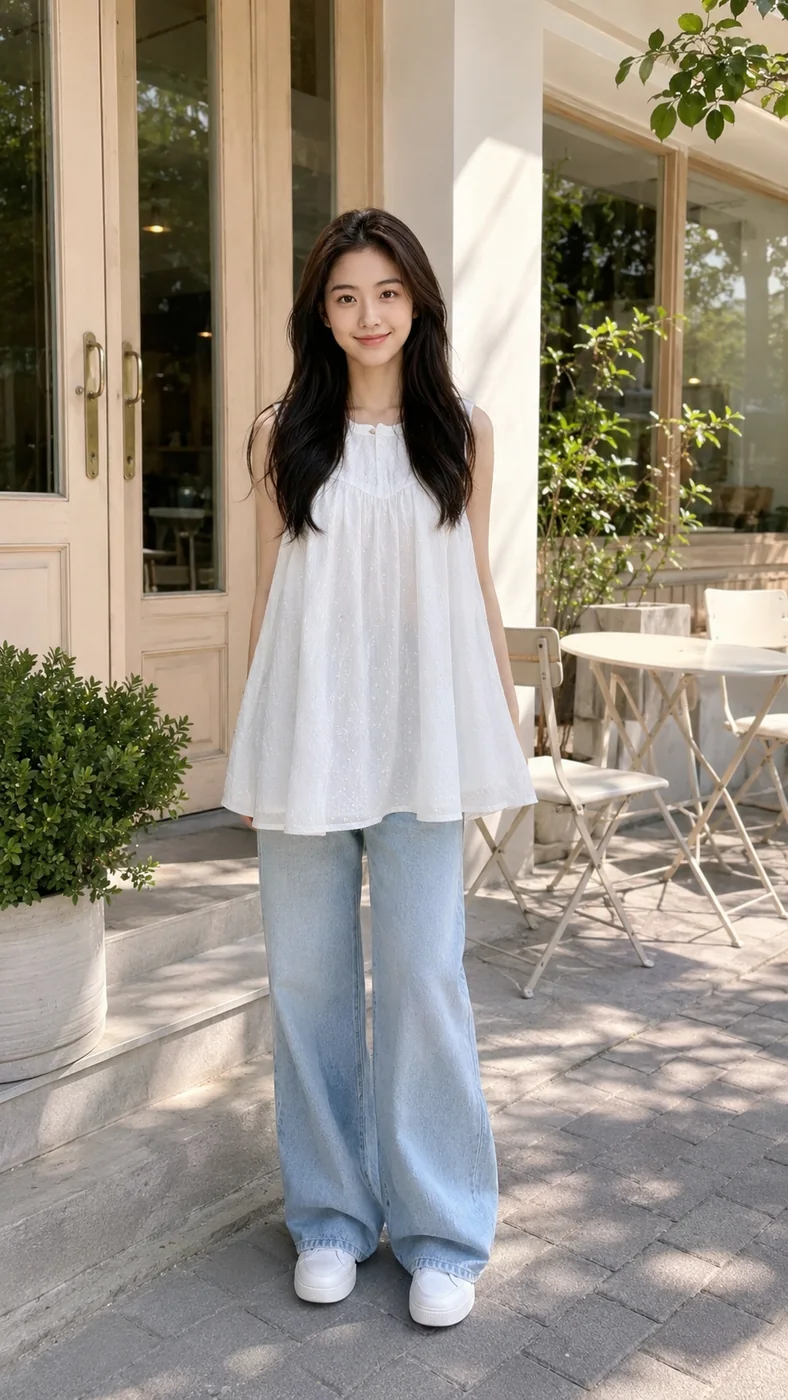
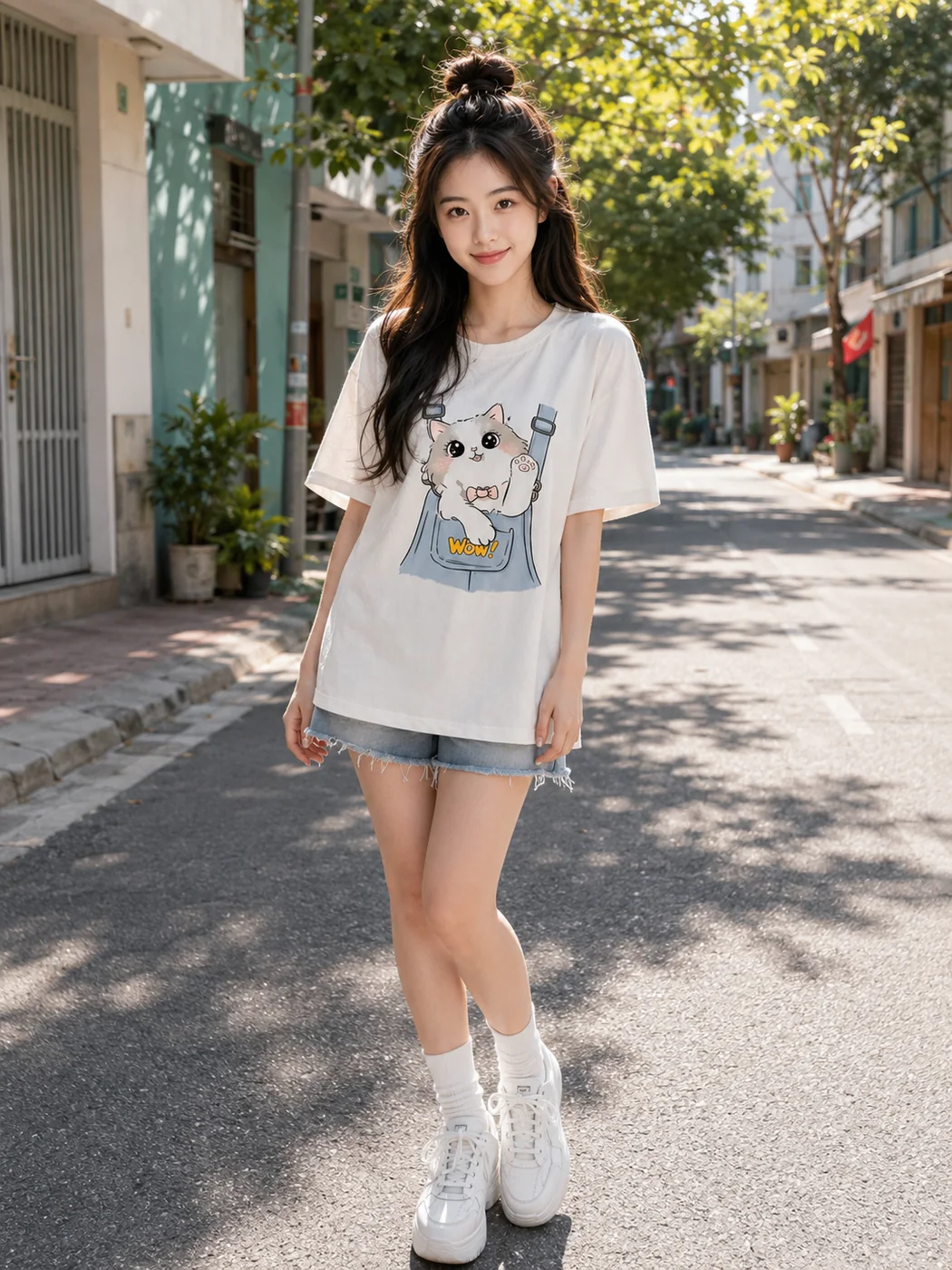
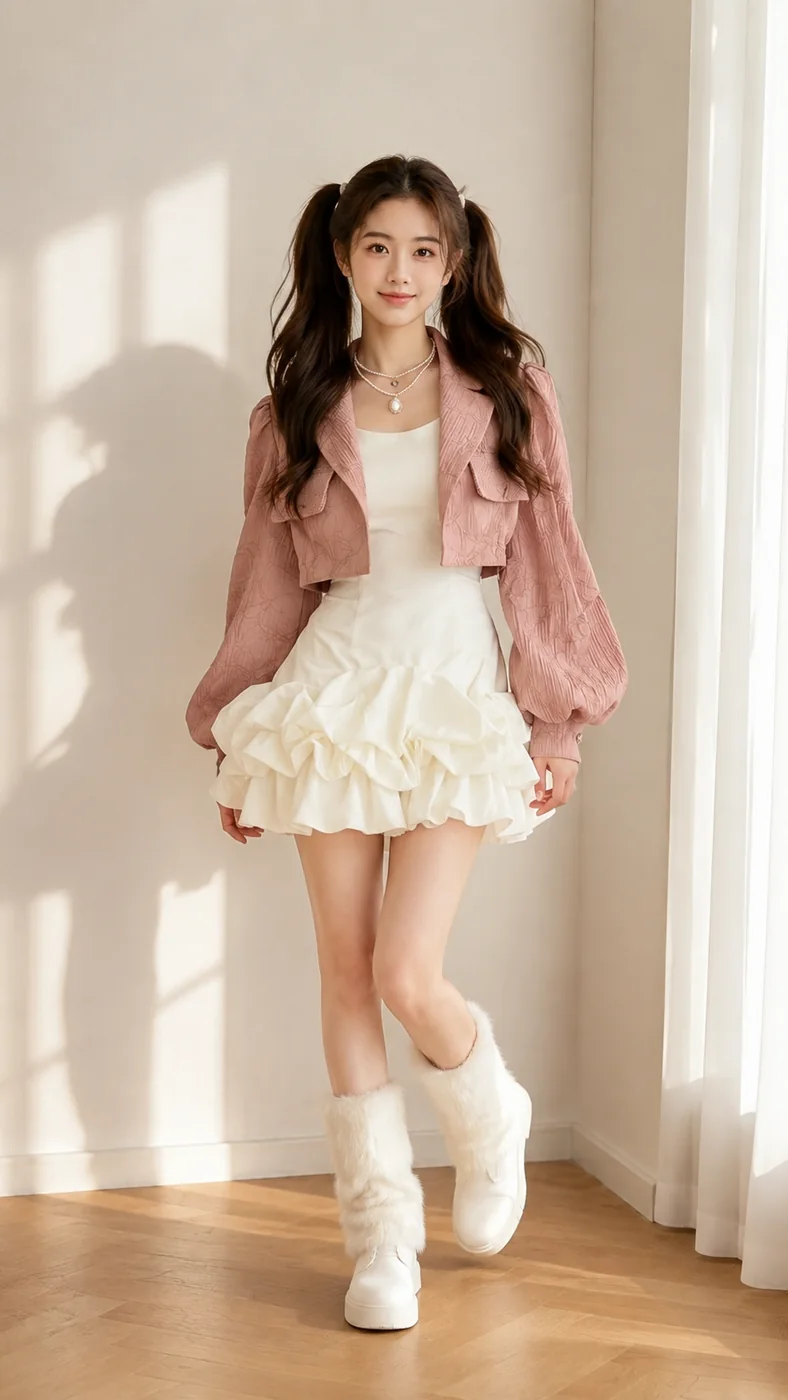
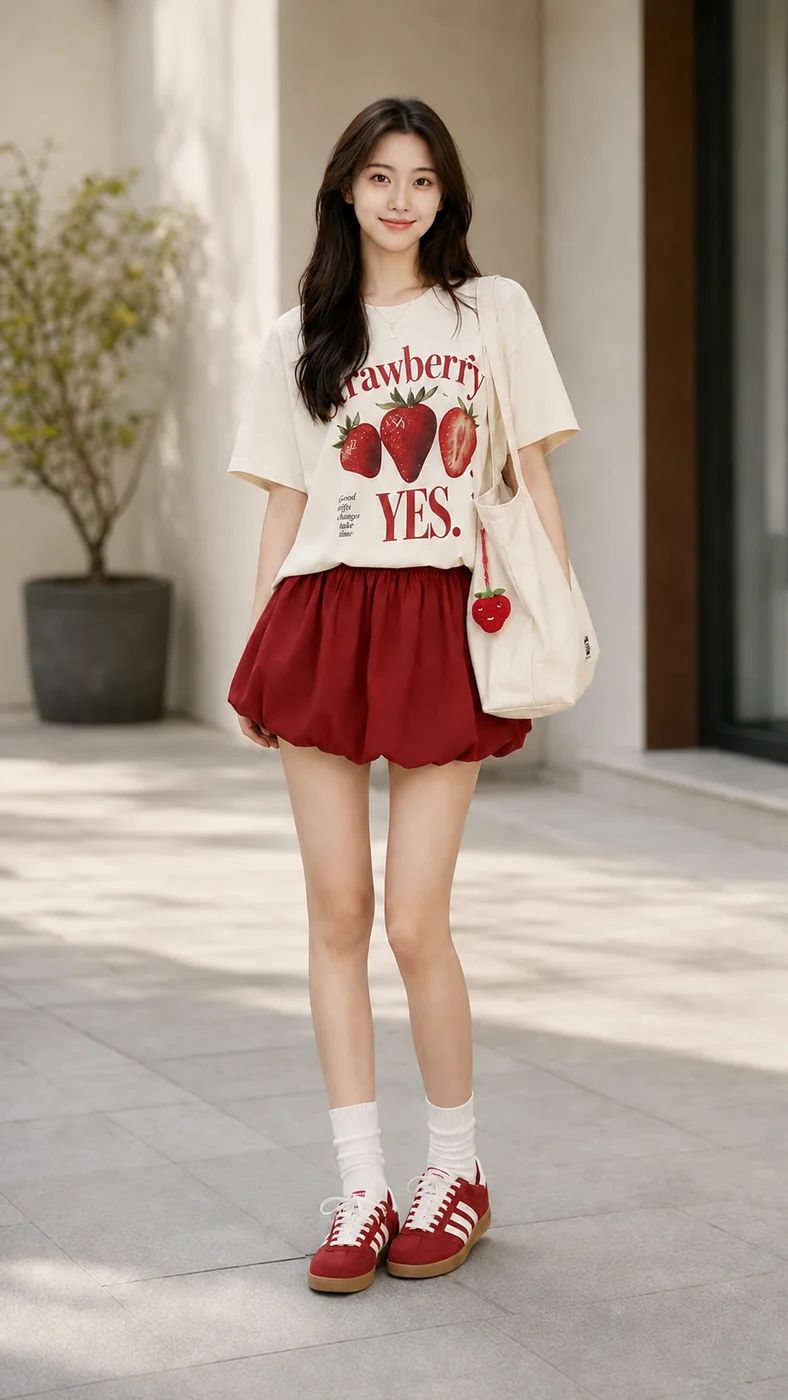
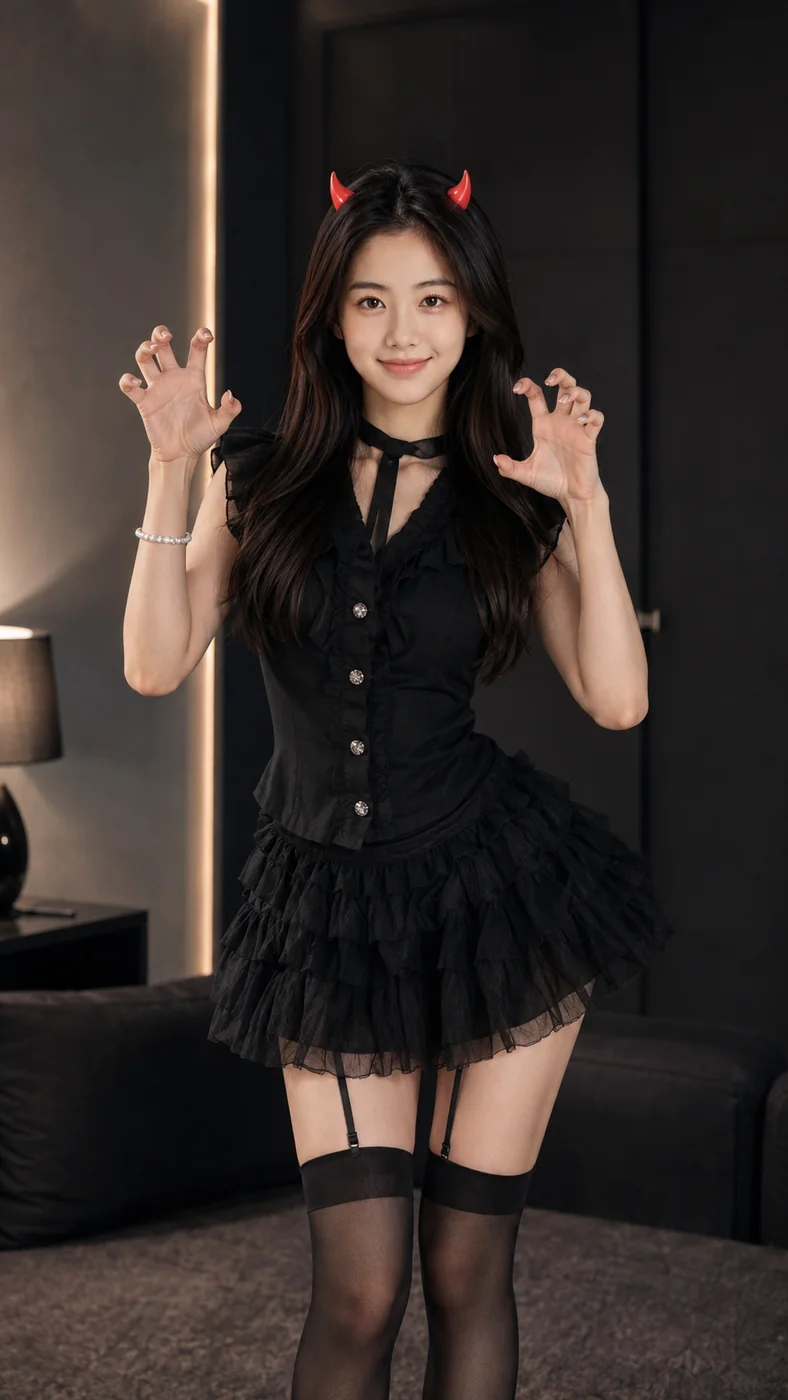
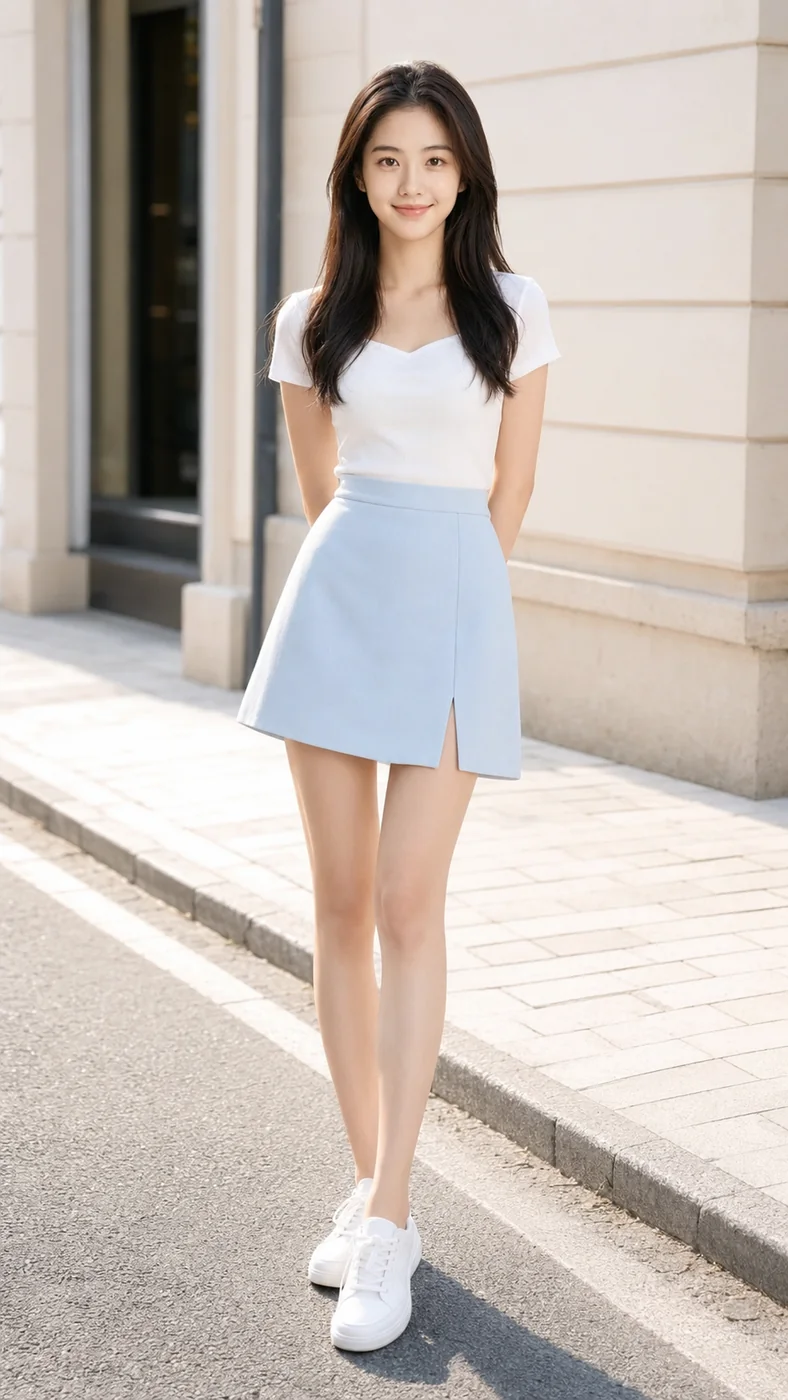
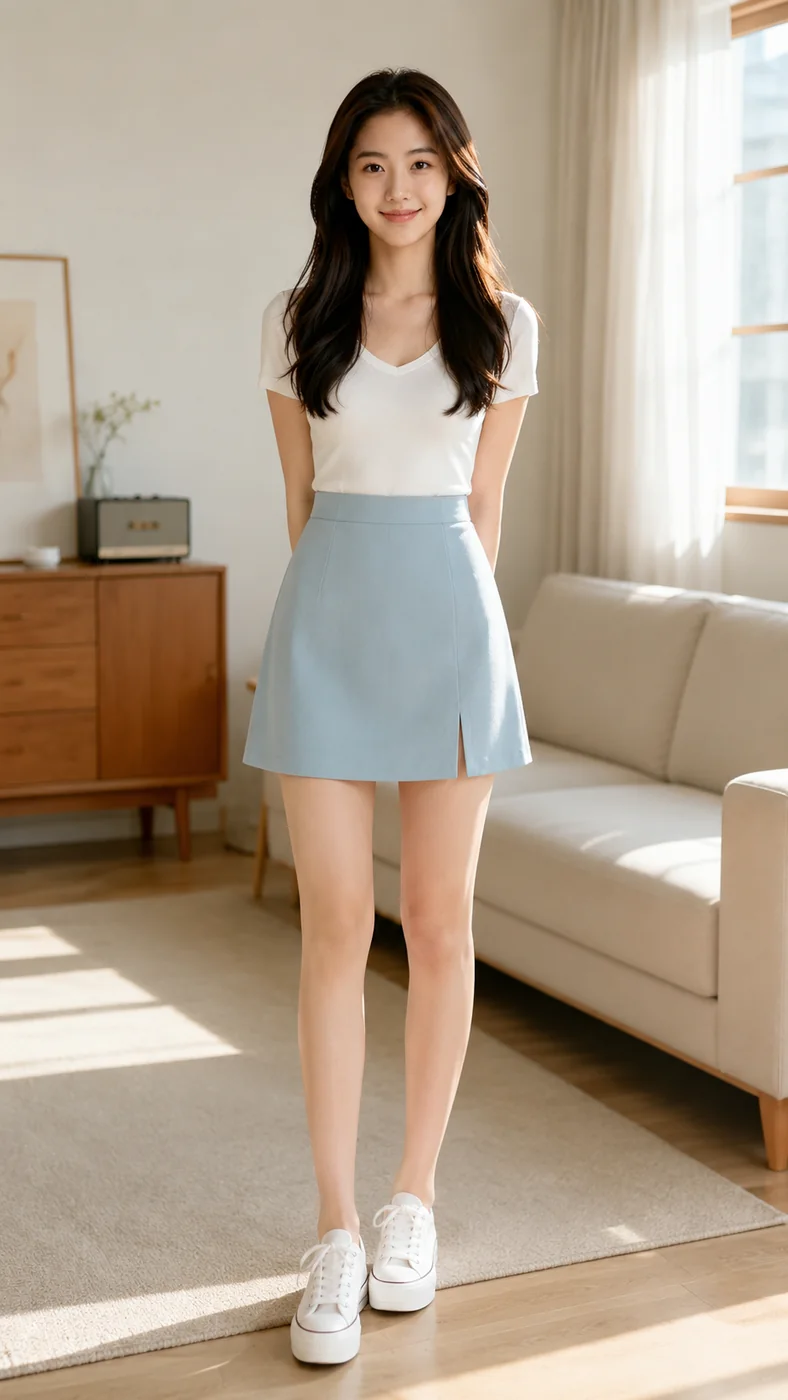
Lock the identity once. Vary the shot deliberately.
The reference strategy separates identity from composition. Original references remain authoritative, while the selected master look becomes a temporary styling anchor for the current shot pack.
Original references
A close-up and a full-body reference remain the identity and body anchors. They are not replaced by a chain of newly generated shots.
Face · body · proportionsShot 1 = master look
The first selected frame establishes the pack-specific outfit, hair, accessories, lighting, color mood and location atmosphere.
Pack continuity anchorShot 2+ vary safely
Later shots reuse the original references plus selected Shot 1, while changing framing, pose and camera angle instead of cloning the same composition.
Same identity · new shotFace, body proportions and the chosen styling logic for the current sequence: outfit, hair, accessories, lighting and environment cues.
Framing, pose, camera angle, shot purpose and motion when they remain compatible with the identity and selected styling direction.
Face drift, changed wardrobe, impossible anatomy, unstable background logic or motion that breaks the selected character look.
Choose the production route before generating motion.
A source can call for direct image-to-video, reference-led mimic, segmented handling or a controlled still sequence. Routing first avoids forcing the same generation method onto every concept.
mimic_firstMimic first
Use the reference video as the motion driver when the source is a coherent single-subject performance and the workflow can preserve identity with one anchor image.
segmented_mimicSegmented mimic
Split a source by real cuts or beats and handle a small number of segments separately when one continuous mimic would be too fragile.
vibe_recreationVibe recreation
Keep the reusable visual mechanic or mood but build a new Thiên Kim shot pack when exact motion transfer is not the right production choice.
slideshow_onlySlideshow only
Avoid motion generation when deformation risk is too high. A controlled image edit can be stronger than forcing an unstable I2V result.
Some mimic routes rely on a reference video and a character anchor image instead of a long text prompt. The workflow records that input plan explicitly rather than inventing controls that are not present.
The workflow follows the media, not the other way around.
Planning, generation, review, motion and editing are treated as separate gates. A weak image can be replaced before motion, and an unstable motion result can be rerouted instead of being accepted by default.
Structure the concept, reference strategy, styling direction, framing and generation fields before media work begins.
Generate against the Thiên Kim identity anchors, select a strong master look and use it to support continuity through the sequence.
Review identity, outfit, anatomy, environment, composition and motion safety before committing an image to the next stage.
Choose direct image-to-video or a reference-led motion workflow based on the shot instead of applying one method to every output.
Build the short-form edit, review pacing and export the selected output; public links can then be recorded back into the production system.
A generated asset is not finished when it renders.
QC is a design gate. The same review categories can be used manually and in structured workflow fields so a weak shot is identified before it enters the final edit.
Face remains recognizably matched to the reference.
Hands and feet are checked for obvious distortion.
Outfit and accessories remain correct for the concept.
Background logic stays stable and does not mutate unexpectedly.
Broken detail, excessive noise and visible generation defects are rejected.
Video movement should be smooth without obvious looping or identity breakage.
Idea → storyboard → production prompts → saved pack.
This independent workflow keeps planning and production artifacts connected, so a selected direction can be reviewed and saved as a usable production pack.
Four motion outputs are reviewable directly in the case study.
The videos are embedded as local portfolio assets rather than hidden behind a social profile. TikTok remains an additional public-output channel, not the only proof of the work.
The workflow records decisions, not just prompts.
n8n and Google Sheets keep planning, reference strategy, review state and routing visible around the actual media tools. The system is there to support repeatability, not replace visual judgment.
Continuity, risk and routing stay visible.
Alongside prompts and URLs, the production model keeps reference strategy, continuity notes, review signals and the selected video route.
Concept direction, prompt preparation and reference-led image generation.
Shot structure, analysis fields, review state and production tracking.
Image-to-video options for shots that are suitable for direct motion generation.
Reference-video-driven motion routes using an explicit character anchor plan.
Short-form assembly, pacing, finishing and vertical export.
AI media treated as art direction plus a production system.
See the project in its short-form context.
The case study contains the system and selected media itself. The TikTok account is linked for additional published outputs and public context.
Open @tieu.thienkim ↗